-
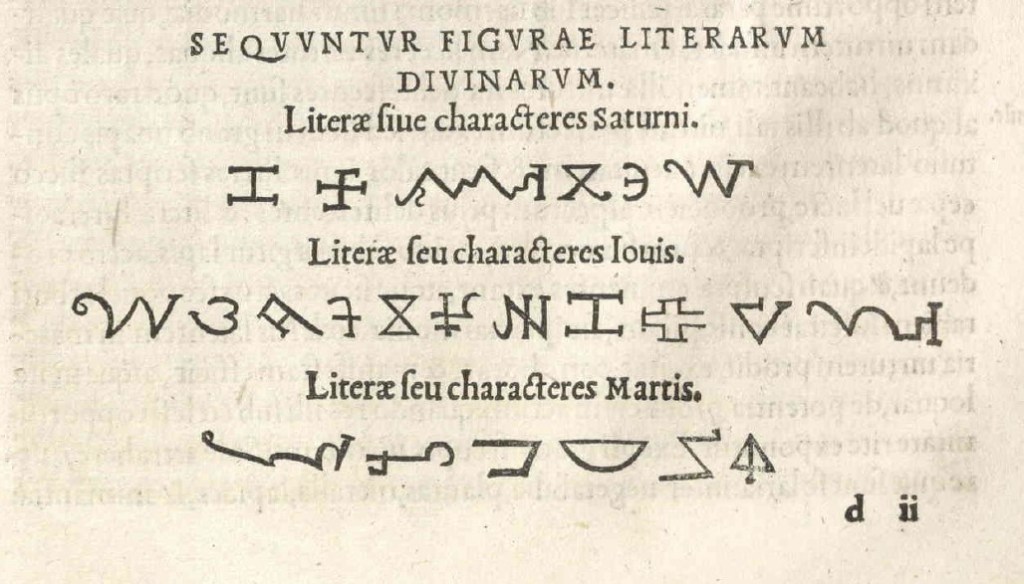 Continue reading →: Cornelius Agrippa and Occult Philosophy: The Genesis of the Work, Its Cultural Context, and the Question of Recantation
The De occulta philosophia was a project developed over more than twenty years. It began as a manuscript compendium intended for a small circle of learned readers, was repeatedly revised during Agrippa’s travels through Germany, Italy, France and the Low Countries, and was eventually published in a climate marked by…
-
 Continue reading →: Unidentified Signs (UFOs): The Strange “Crowded” Skies of the Sixteenth Century
In the sixteenth century, unusual phenomena in the sky were often identified as “wondrous signs” or celestial “prodigies.” They were not regarded merely as private events: they could be interpreted as warnings addressed to a city, a prince, a religious confession, or even the whole of Christendom. The printed broadsheet…
-
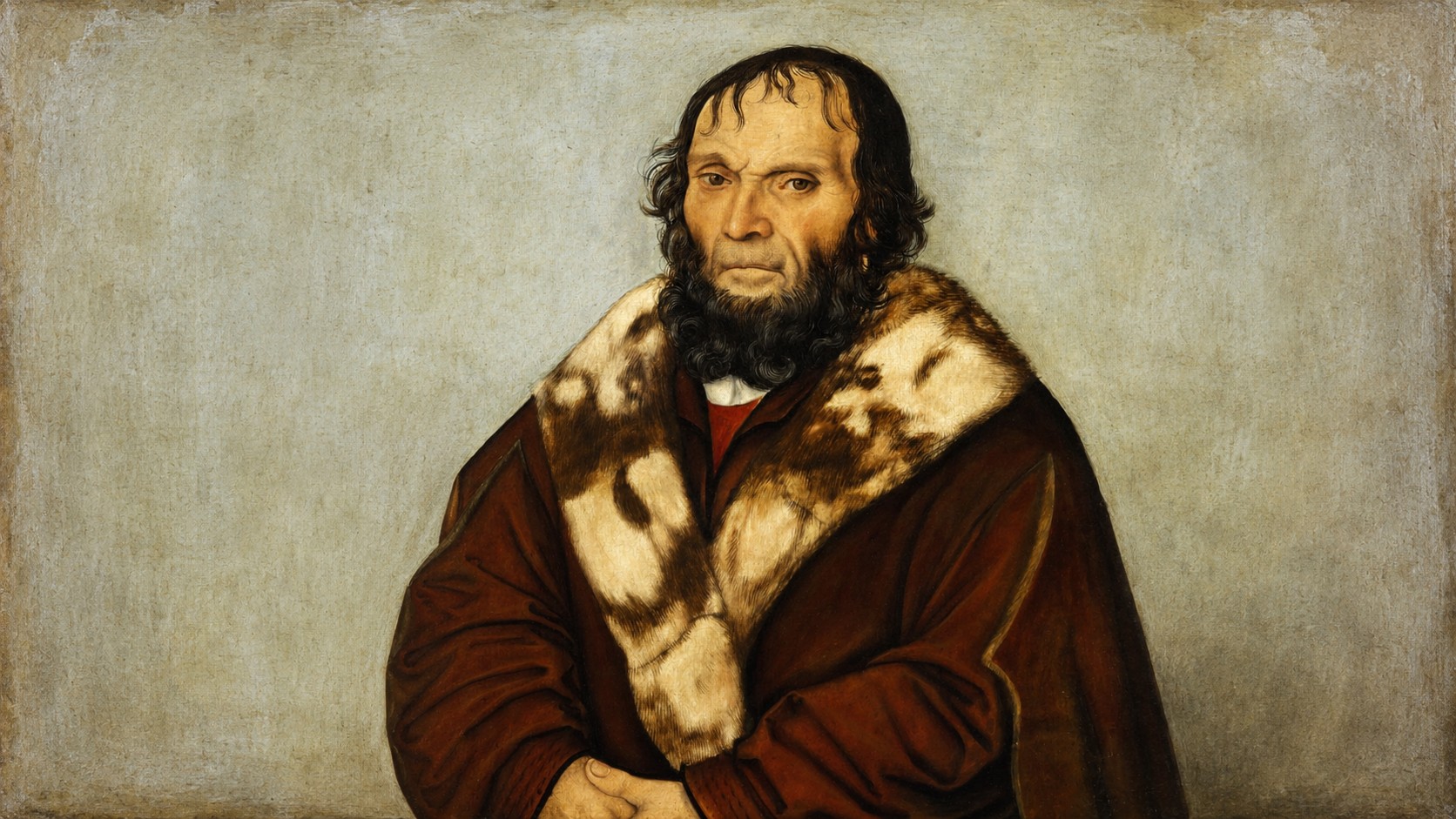 Continue reading →: Johannes Schöner on the Strength and Weakness of the Planets
Johannes Schöner (1477–1547: priest, astronomer, astrologer, geographer, cosmographer, cartographer, mathematician, maker of globes and scientific instruments, editor and publisher of scientific texts, and German scholar) provides a list of guidelines intended for the study of the essential and accidental conditions of the luminaries (the Sun and Moon) and of the…
-
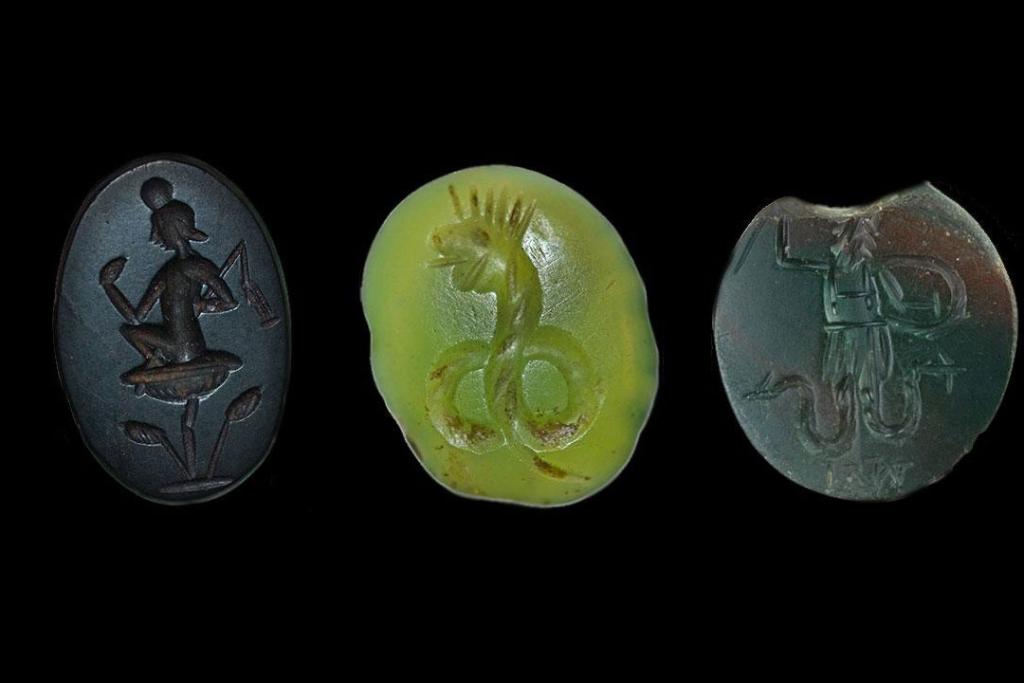 Continue reading →: Astrological Magic: A Brief History from Yesterday to Today
Astrological magic is one of the most complex areas in the history of astrology. In recent years, this subject has returned to the centre of renewed interest: on the one hand, there are those who still practise forms of astrological magic today, especially through elections, talismans, and planetary correspondences; on…
-
 Continue reading →: Astrology in the Babylonian Talmud: Shabbat 156a–b
The tractate Shabbat is the first tractate of the order Mo‘ed in the Mishnah, the great normative collection of rabbinic Judaism devoted to sacred times, the Sabbath, and religious festivals. The Mishnah was compiled in Palestine around 200 CE; in the following centuries it became the object of extensive interpretation…
-
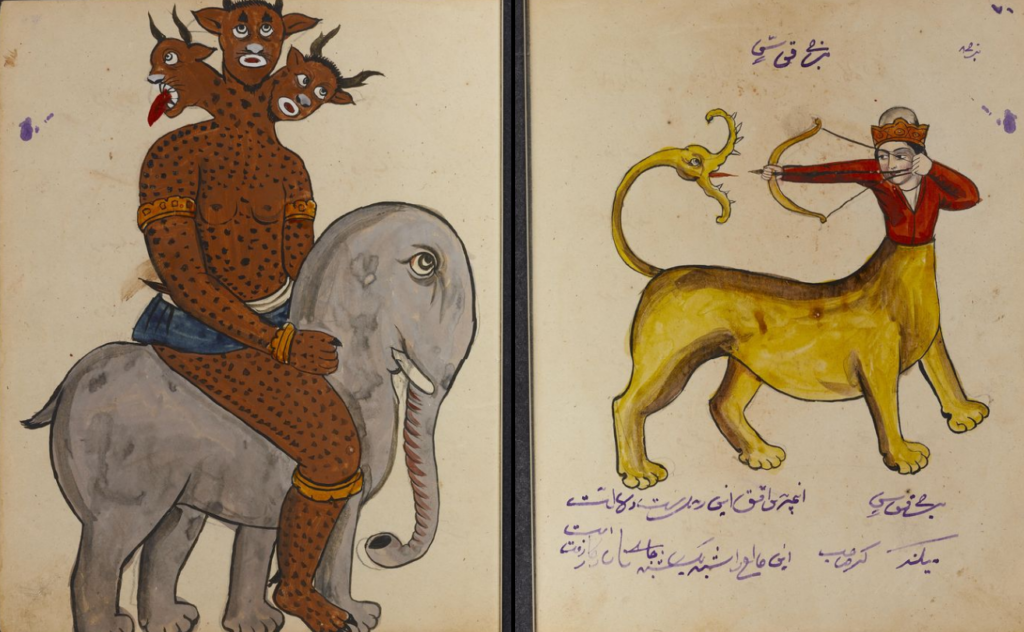 Continue reading →: Kitāb-i ʿAjāʾib-i Makhlūqāt: The Two Love Talismans and the Twelve Demons of the Zodiac Signs
The manuscript is held by the Princeton University Library, Islamic Manuscripts, Third Series, no. 349. It is an illustrated Persian codex devoted to magic, astrology, incantations, talismans, and demonic and angelic figures. The title Kitāb-i ʿAjāʾib-i Makhlūqāt may be translated as Book of the Wonders of Creatures and should not…
-
 Continue reading →: Honours of the Native: Ranzovius’s Tractatus Astrologicus de Genethliacorum
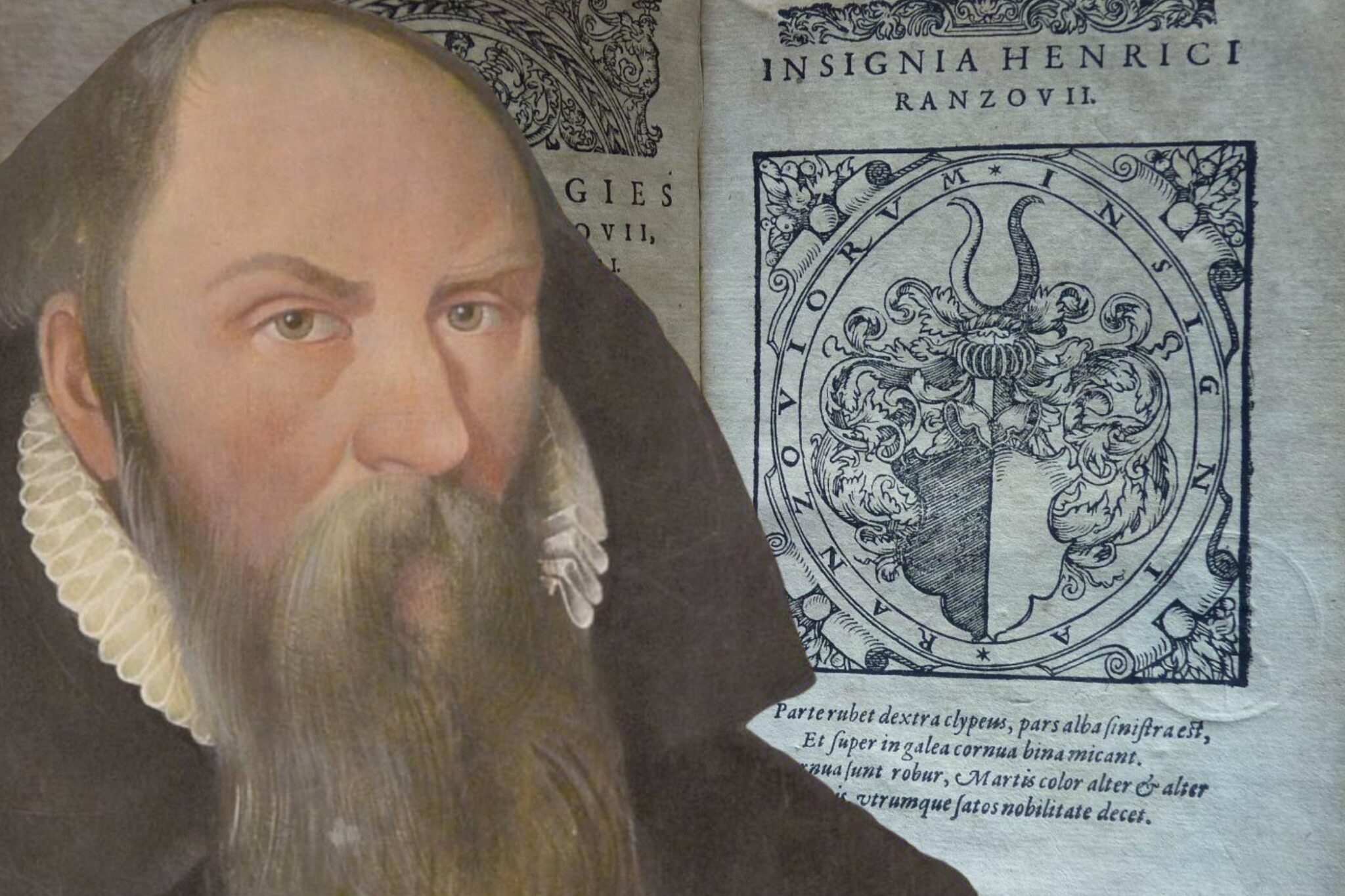
Henrik Rantzau, known in his Latin works as Henricus Ranzovius, lived from 1526 to 1598. He was a Holstein nobleman in the service of the Danish monarchy, a statesman, humanist, patron, and author of historical, geographical, and astrological writings. The son of Johann Rantzau, the renowned military commander of the…
-
 Continue reading →: The Warrior Planets in the Kriegsbuch of Ludwig von Eyb the Younger
Around 1500, in Franconia, the knight Ludwig von Eyb the Younger composed a singular and imposing work: the Kriegsbuch, or Book of War. The manuscript is a military treatise, a technical compendium of the practice of arms, and a richly illustrated collection bringing together cavalry, hand-to-hand combat, artillery, siege engines,…
-
 Continue reading →: Void-of-Course Moon and the Feral Planet
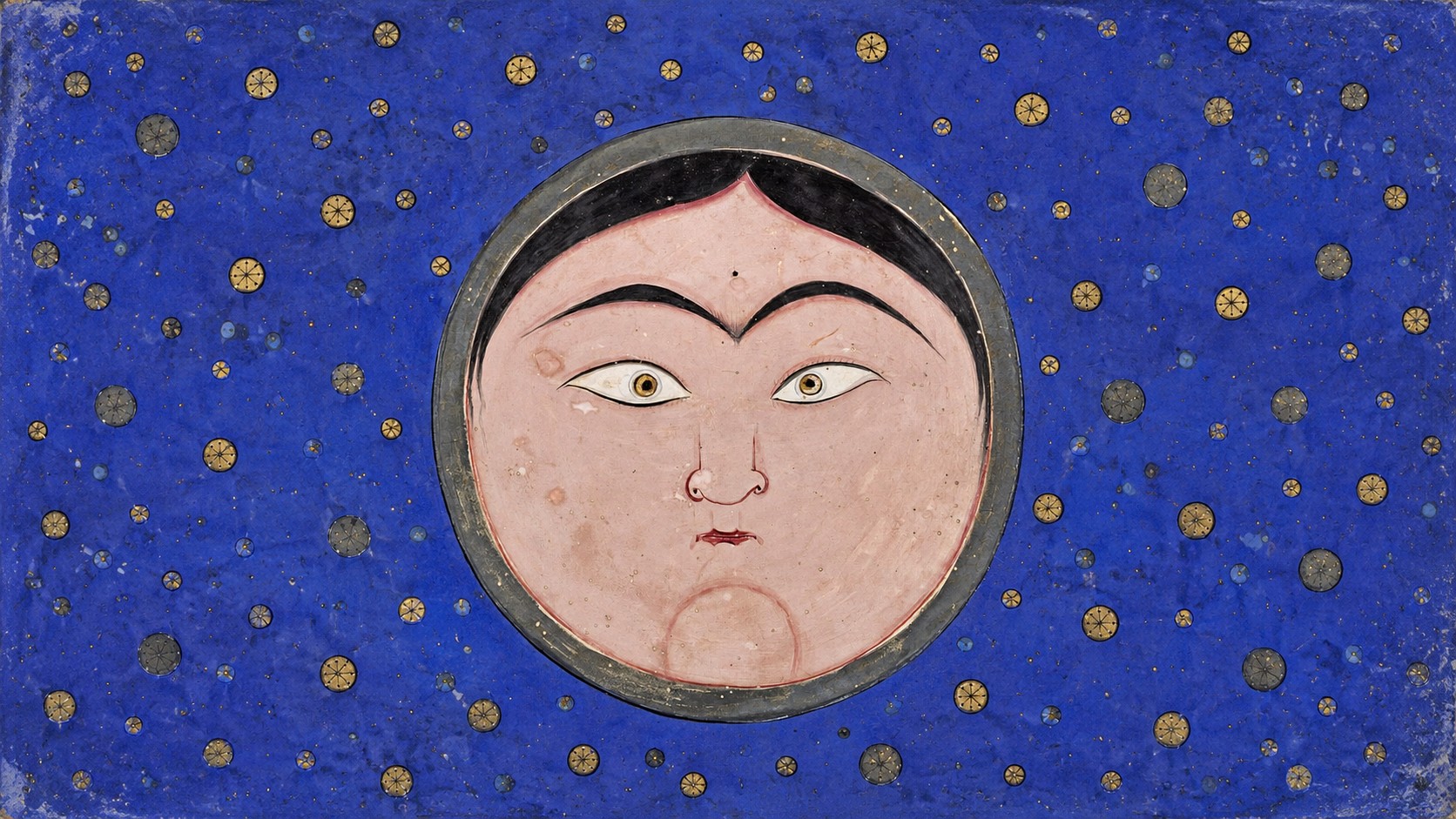
The earliest systematic sources to discuss the concept of the Void of Course Moon are found in Hellenistic literature, which uses the term kenodromia. This condition is most often attributed to the Moon, although it may concern any planet; it is simply more frequent in the case of the Moon.…
-
 Continue reading →: Giovanni Bartolini: On Considering the Syzygies of Seasonal Ingresses
A transcription of the introduction to an almanac by Giovanni Bartolini. Giovanni Bartolini, born in Bologna in the 1590s, was an Italian astronomer, astrologer, and librarian. He belonged to the dense network of intellectual relationships that developed in seventeenth-century Rome around the Accademia dei Lincei. In 1620, in Rome, Bartolini…

Edited by Francesco Faraoni. Independent scholar and researcher in the history and culture of astrology, with particular attention to its ancient and modern traditions, texts, methods, and the cultural contexts in which they developed.
Recent posts
Abraham and Astrology ancient UFOs Astral Influence Astrological Magic Astrological Talismans Astrology in Antiquity atmospheric phenomena Babylonian Talmud Basel 1566 celestial prodigies electional astrology Fixed Stars Henrik Rantzau historical astronomy history of astrology Islamic Demonology Islamic Magic Jewish Astrology Jinn and Demons Johannes Schöner Kitab-i Ajaib-i Makhlūqāt Love Talismans Luminaries medieval astrology mundane astrology natal astrology Natal Honours Persian Magic Persian Manuscripts Planetary Hours Princeton Islamic Manuscripts Rabbinic Judaism Renaissance astrology Renaissance astronomy Renaissance Magic Renaissance UFOs Ritual Astrology Shabbat 156 Solar Astrology Solomonic Tradition Talismans Tetrabiblos Traditional Astrology UFO history Zodiac Demons